Heat waves are becoming more frequent and prolonged, which is changing the way we use streets, plazas, parks, terraces, and patios. During the hours of peak solar radiation, many of these places become deserted if they lack shaded areas.
Providing shade helps keep them cooler, more comfortable, and ready for the summer months.
Spaces Designed with People in Mind
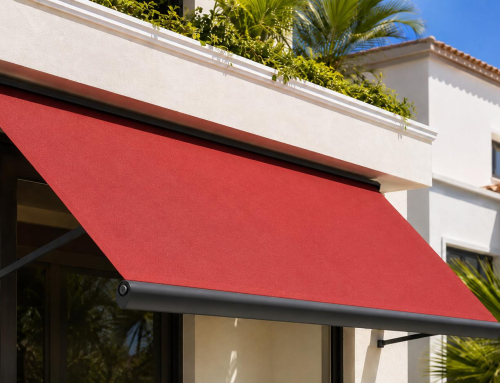
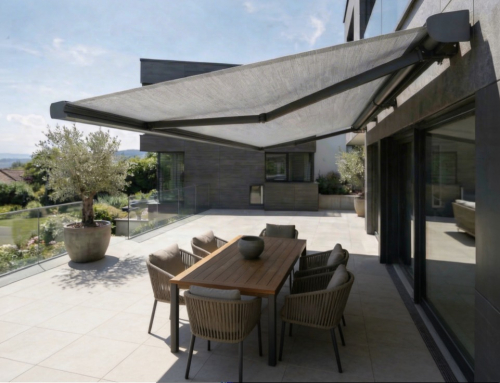
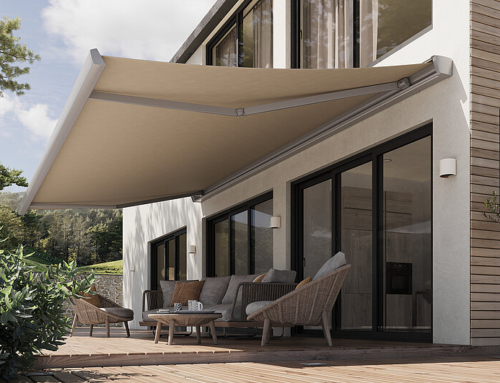
Direct exposure to the sun can make a plaza, terrace, or playground uncomfortable precisely during peak activity times. Installing awnings, pergolas, shade sails, and other shading systems helps reduce that exposure and improve the environment.
These solutions allow spaces for gathering, relaxation, and activities to remain in use even on the hottest days. In the hospitality industry, they extend the hours during which outdoor seating areas can be used. In residential settings, they allow people to make better use of their gardens and patios. In urban areas, they help create more pleasant streets and plazas for those who use them.
Shade as Part of Urban Adaptation
For years, the installation of awnings on shopping streets, squares, and pedestrian areas has been a familiar sight in many cities in southern Spain.
Seville is one of the most recognizable examples. The city has been expanding its shaded areas in the historic center and has installed shade solutions in playgrounds and other locations with high sun exposure.
This approach to adapting the urban environment is also spreading to other major cities. Madrid has installed awnings in Puerta del Sol, while Barcelona is adding new shaded areas to playgrounds, schoolyards, plazas, and other public spaces.
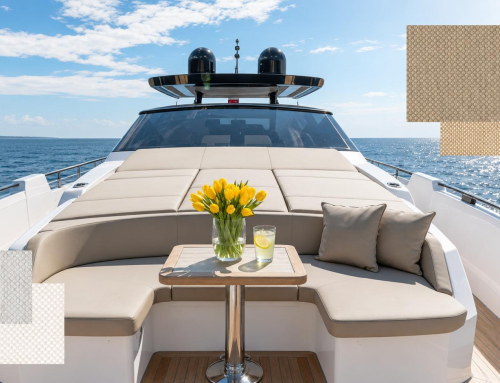
For these installations to perform well under outdoor conditions, the choice of fabric is key. It must be resistant to radiation and environmental conditions, maintain its performance over time, and blend seamlessly with the surrounding architecture.
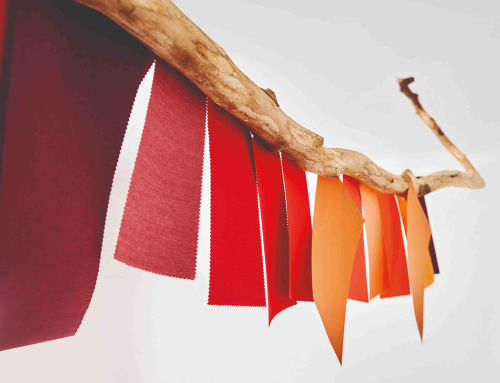
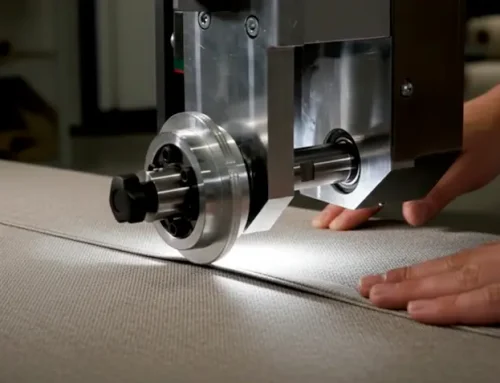
In Sauleda, we manufacture high-quality technical fabrics for sun protection projects that combine performance, durability, and aesthetics, thanks to a wide variety of colors and designs
These initiatives show that shade is evolving from a one-off solution into an increasingly important factor in cities’ adaptation to rising temperatures.
As summers become hotter, planning for shaded areas helps improve well-being and maintain activity on streets, in parks, on terraces, and in plazas. Shade helps create more livable environments that are better equipped to handle the heat, in both public and private spaces.