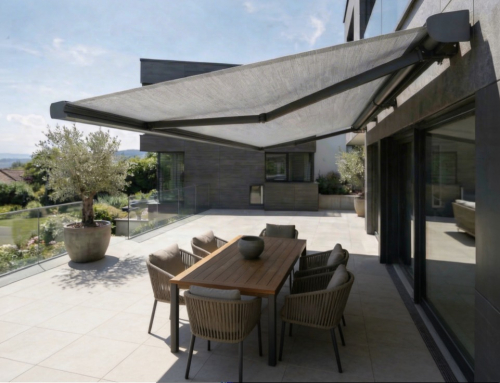
Solar protection is undergoing a clear transformation. The evolution of architecture, the increased use of outdoor spaces and increasingly demanding climatic conditions are redefining the needs of the sector. Today, technical fabrics must not only provide shade, but also durability, aesthetics and long-term performance in all types of projects, from residential to professional.
These are the main trends that are shaping the sector.
Energy rating
The energy classification of buildings is a fundamental factor when building new homes or selling existing ones, so it is important to know that having a dynamic shading solution improves the energy classification substantially, as it reduces the temperature inside the building and consumes less energy for air conditioning. Energy certification software used by architects now includes new features that allow users to indicate which solar protection devices are included in buildings, resulting in substantial improvements when awnings are incorporated.
More versatile outdoor spaces
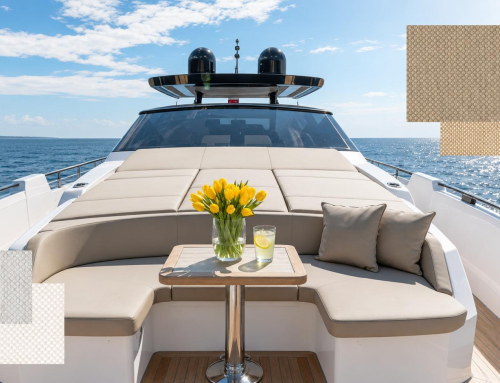
The outdoors is no longer seasonal but a real extension of the indoors. Terraces, hospitality areas and residential spaces are designed for continuous use, which requires fabrics capable of withstanding intense solar radiation, humidity and wear without losing performance.
In this context, high quality acrylic solutions such as Sauleda Masacril remain a reference for their UV resistance, color stability and reliable performance in demanding outdoor applications.
High-performance technical fabrics
The market prioritizes fabrics with higher durability and lower maintenance. Long-term reliability becomes a key argument in professional and architectural projects.
In the midst of all these developments, our solution-dyed acrylic fabrics continue to play a leading role. They stand out for their resistance to solar radiation and for maintaining their color stability over time. In addition, they have special finishes that make it difficult for dirt to adhere and make cleaning much easier, helping the fabric to retain its original appearance for longer.
Ranges such as Solar Pro respond to this demand with solutions designed to offer light control, structural strength and aesthetics in residential and professional applications.
Versatility and multiple applications
One of the key factors in 2026 is the versatility of fabrics. Projects require materials capable of adapting to different applications such as awnings, pergolas, sunshades or blinds without losing aesthetic coherence or technical performance.
This adaptability allows for the unification of materials within the same project, optimizing resources and ensuring visual continuity throughout the installation.
At the same time, there is growing demand for fabrics that integrate several functions in a single solution: solar protection, greater water resistance or greater resistance to wear and tear. These include fabrics such as Duo, which combines different materials to provide waterproofing and resistance, and Green, which incorporates decontaminating technology.
Design and color
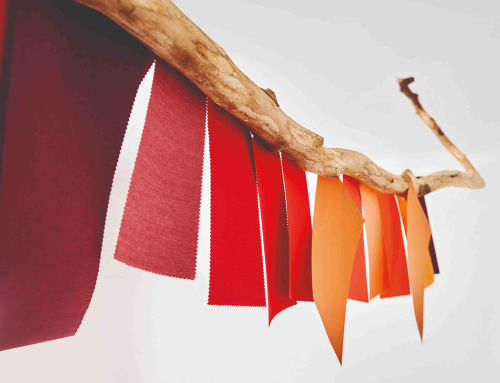
In 2026, solar protection will be consolidated as a fully integrated element in architectural design. The trend is for neutral tones, sand, stone and earth tones that provide visual balance and adapt naturally to different building styles.
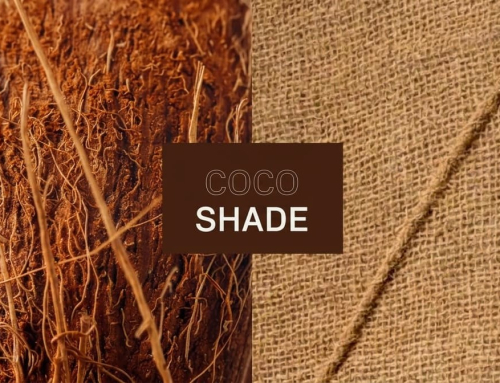
Fabrics with texture, depth and an authentic textile finish are valued, capable of dialoguing with materials such as wood, ceramic or stone. References such as Sand or Cartago fit into this aesthetic line, aligned with a more sober and timeless architecture.
At the same time, the wide variety of designs and colors available makes it possible to customize each project without sacrificing functionality. Integrating effective shading solutions thus becomes an aesthetic and functional decision, but also a strategic one in terms of efficiency, sustainability and value of the architectural project.